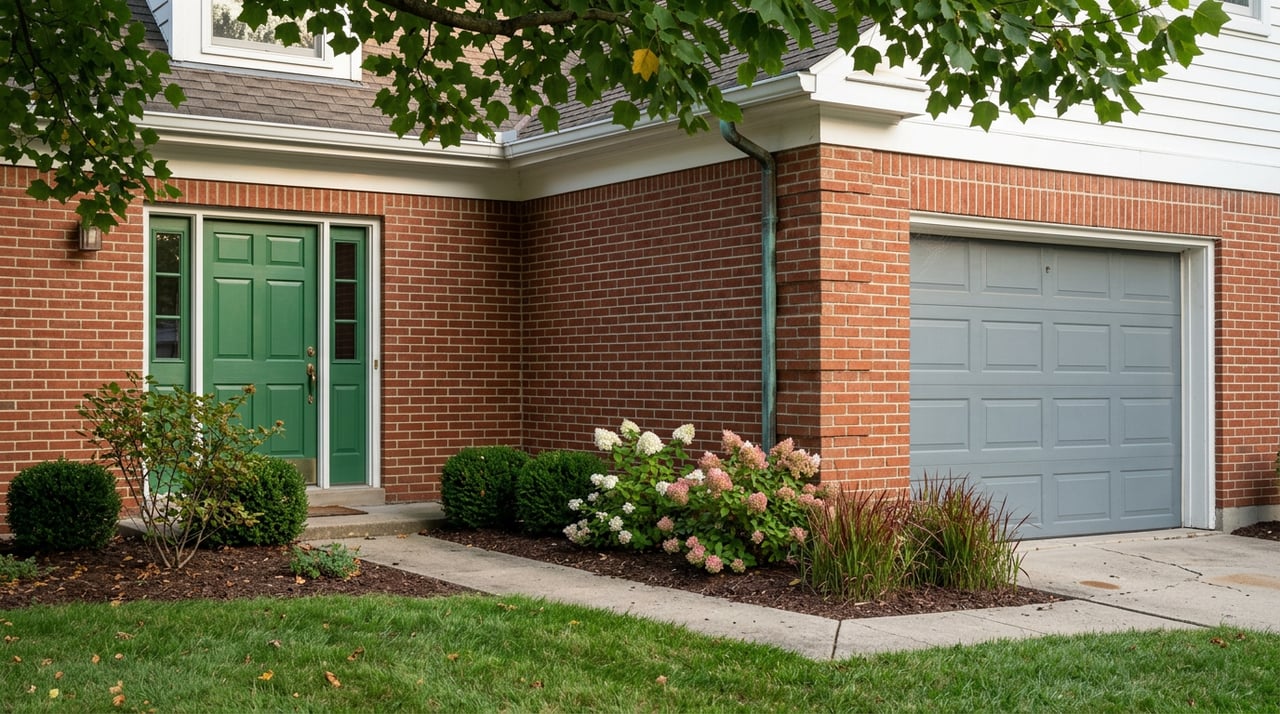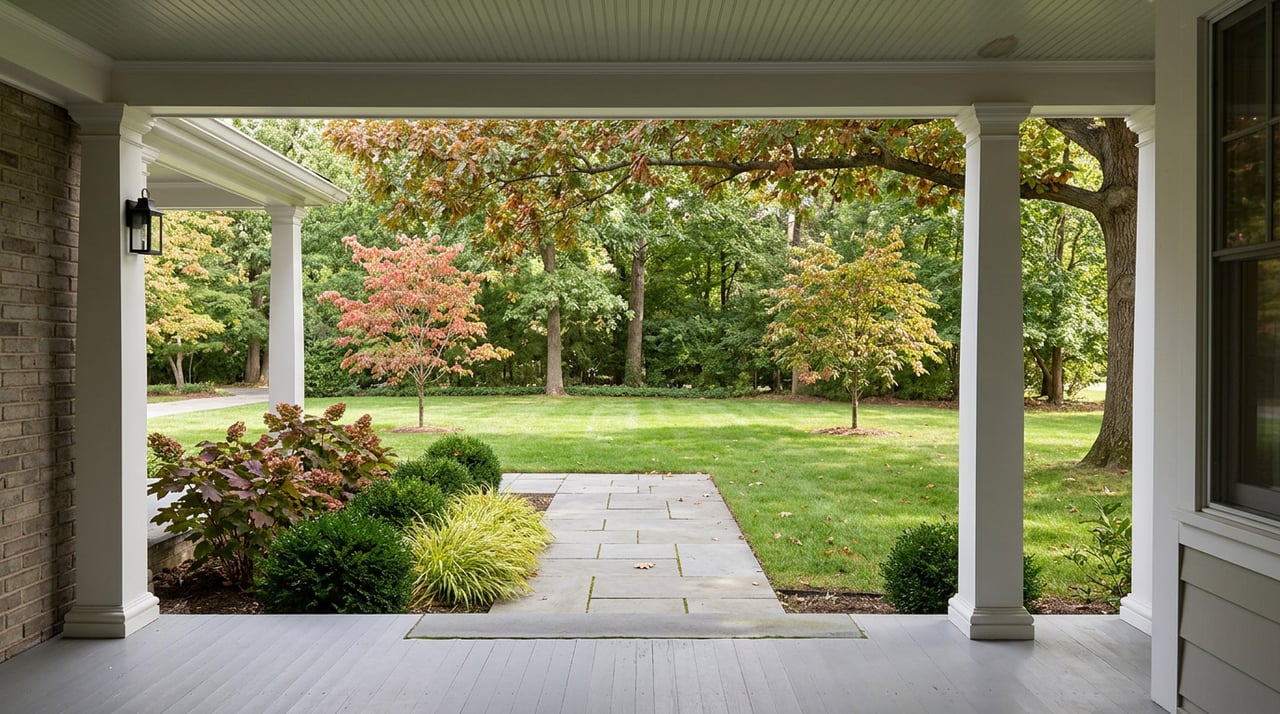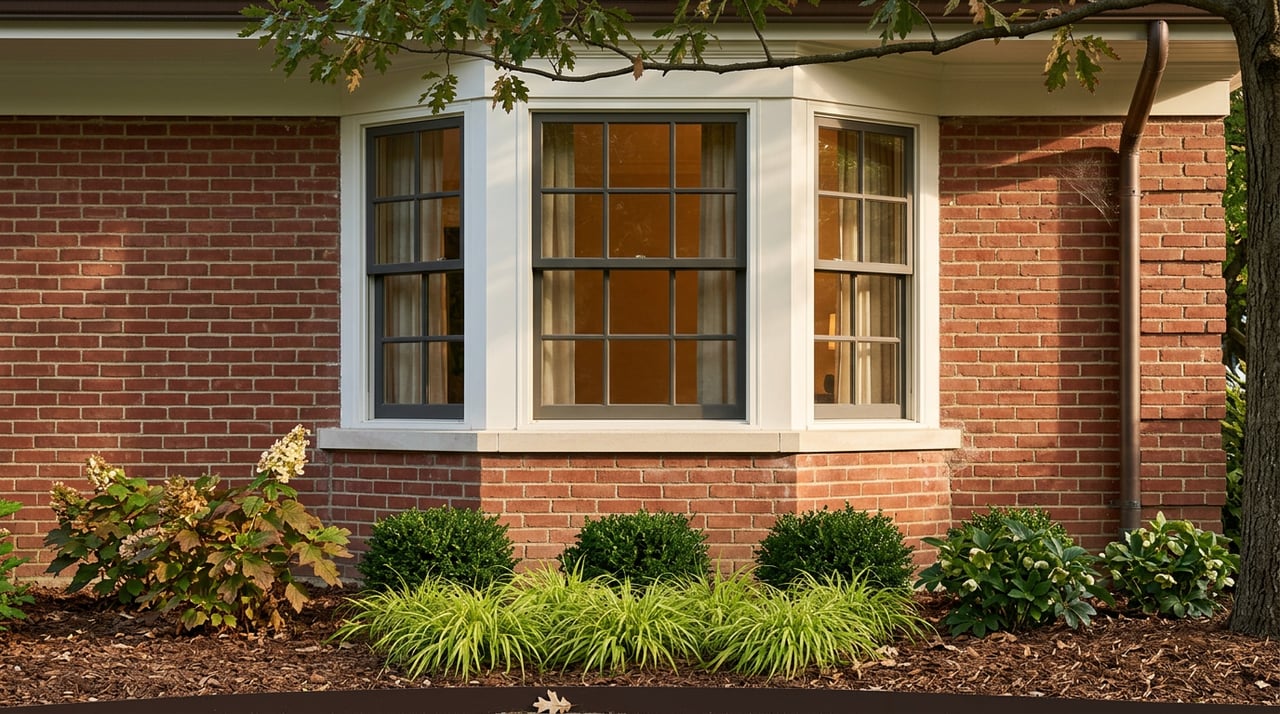
A buyer touring Fairfax Station this summer might see two listings within a few streets of each other, both priced right around $1.05 million, both four bedrooms, both built in roughly the same decade. One sits in Crosspointe, where a homeowners association covering close to 5,000 residents maintains the pool, the tennis courts and the tot lots, and where any exterior change goes through architectural review before a permit gets filed. The other sits a few turns away on three wooded acres with no HOA at all, drawing its water from a private well and sending its wastewater to a septic system the county inspects but does not maintain. Same price. Same zip code, 22039. Almost nothing else in common.
That gap is the story in Fairfax Station right now, and it matters more than the median price you'll see on any listing site.
Why the Median Doesn't Hold Together
Look at three different snapshots of the same market this year and they don't quite agree. Listings tracked in July 2026 put the median asking price at $1.3 million, with price per square foot down 7 percent from the year before and homes spending a median of 26 days on market, matching the same month a year earlier. A separate rolling look at closed sales puts the median sale price closer to $1,240,000, up 5 percent year over year, with an average of just 15 days on market across 206 sales in the trailing twelve months. A third snapshot of recently sold homes, clustered in micro-pockets locals would recognize as Pohick, Lewis Park, Elgin Corner and Sideburn, shows a median listing price around $1.05 million and homes moving in about 15 days with a single offer.
None of those numbers are wrong. They're measuring different slices of the same bundle. Price per square foot falling while the median list price climbs is exactly what you'd expect if the newer, larger acreage estates and the older, smaller well-and-septic homes are both selling at once, just at very different rates per square foot. A five-acre contemporary with a walkout basement and a private stream can carry a premium that has nothing to do with square footage. A 1980s rancher on a well can sell fast precisely because it's priced to move past its utility quirks. Average the two together and you get a median that describes neither.
If you're comparing Fairfax Station to a flat-lot subdivision in Fairfax or Burke, the median price tag makes it look like one coherent choice. It isn't. It's two ownership experiences that happen to share a mailing address.
The HOA Line Runs Through the Middle of Town
Crosspointe is the clearest example of the managed side of Fairfax Station. Its association reviews exterior structures and materials for its residents, which means a new deck, a fence color or a shed needs sign-off before the county permit even gets submitted. That's a real cost in time, but it also buys something: a pool, tennis courts, a consistent look across the neighborhood, and a governance structure that handles disputes over fences and paint colors so you don't have to.
Step outside a managed subdivision like Crosspointe and into the acreage-style neighborhoods that ring it, places like Barrington, Lakewood Estates, Fairfax Station Estates, Ardmore Woods and Quailwood Manor, and HOA coverage stops being a safe assumption either way. Lots in these areas commonly run from one to five acres, and while much of the surrounding acreage in Fairfax Station carries no HOA at all, some of these same communities maintain shared amenities like pools and tennis courts, which almost always means an association exists to fund them. The only way to know is to ask, parcel by parcel, before writing an offer, because "no HOA" and "well-run HOA" aren't just different price factors, they're different day-to-day realities.
What the Well and Septic Actually Change
A large share of Fairfax Station homes run on private wells and septic systems rather than county water and sewer. Fairfax County's Health Department administers the permitting, inspection and enforcement for both, and any lot established after August 1, 2003 has to set aside a reserve area equal to the full size of the primary drainfield, in case the original ever fails and needs replacing.
That single requirement is worth understanding before you fall in love with a five-acre listing. It means the seller should be able to show you not just where the current septic field sits, but where the backup field is reserved, because that reserve area constrains where you can ever build an addition, a pool or a detached garage. It also means a home inspection here isn't complete without a separate septic and well inspection, something a buyer moving from a townhome on county utilities may not think to schedule.
The upside is real too. No water or sewer bill means one less fixed monthly cost for the life of the home, and a well that's properly maintained can outlast a mortgage. The tradeoff is that the capital risk sits with the homeowner instead of the utility. A failed drainfield or a well pump replacement is a five-figure repair that shows up all at once, not spread across a monthly bill.
Terrain Is the Reason Basements Here Are Different
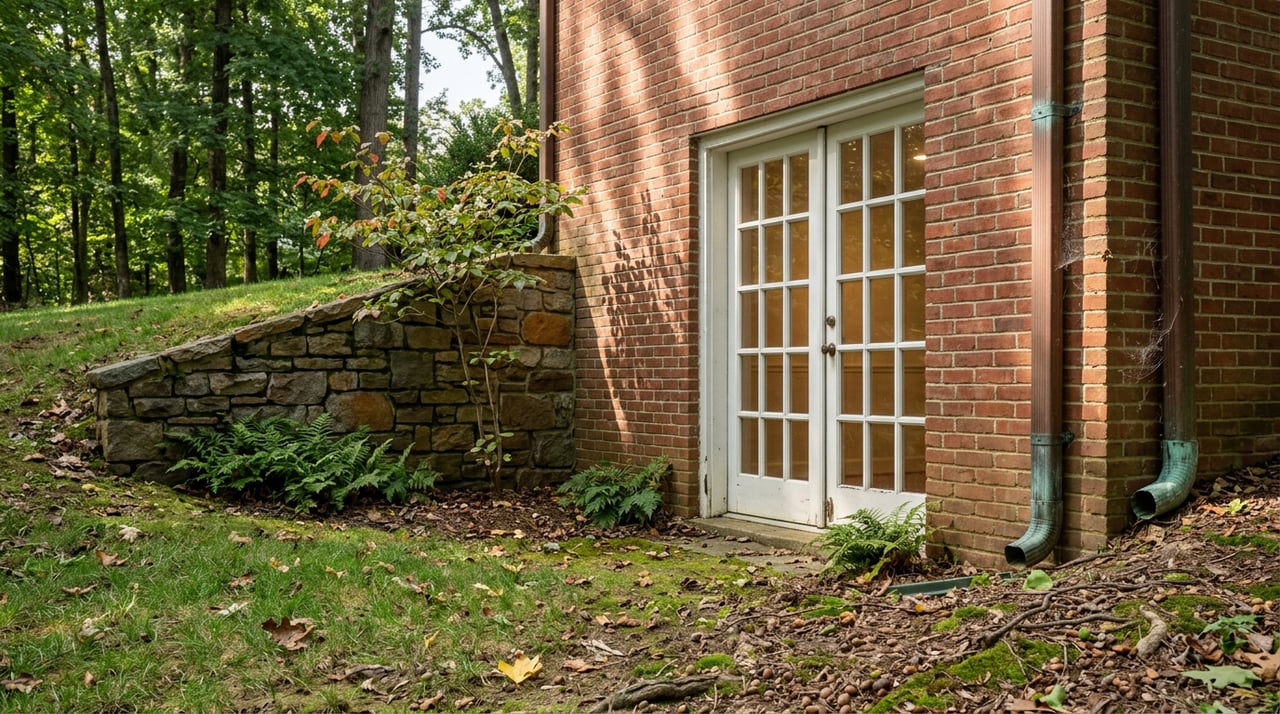
Fairfax Station's ground slopes hard toward the streams feeding Bull Run and the Occoquan Reservoir, and that grade shows up in how homes are actually built here. Walkout lower levels are common because the land drops away from the house rather than sitting flat, and any contractor working on a deck, porch or addition has to account for footing depth, post height and lateral bracing that match the real slope of the lot, not a generic flat-lot plan.
That's a construction cost most buyers coming from inside the Beltway don't budget for. A deck project that would be straightforward on a flat quarter-acre in Springfield can require deeper footings, more engineering and a longer permitting conversation here, on top of routing everything around a well setback or a septic reserve area that a flat-lot buyer never has to think about.
| What you're comparing | Confirmed HOA (example: Crosspointe) | Acreage-style neighborhoods (examples: Barrington, Lakewood Estates) where HOA status must be confirmed per property |
|---|---|---|
| Utilities | Typically county water and sewer | Often private well and septic |
| Exterior changes | Architectural review before permitting | Varies, some require association sign-off, others only a county permit |
| Shared amenities | Pool, tennis courts, common areas | Varies, present only where an association funds them |
| Typical lot size | Smaller, subdivision-scale | One to five acres or more |
| Construction on slope | Standard footing depth in most cases | Engineered footings for grade, well and drainfield setbacks |
The Recreation That Comes With the Acreage
The tradeoff isn't only cost. Fairfax Station sits next to Fountainhead Regional Park, nearly 2,000 acres of NOVA Parks land along the Occoquan Reservoir with a mountain bike trail system and four separate equestrian trails, plus trailhead access to the 19.7-mile Bull Run Occoquan Trail. A short drive away, Sandy Run Regional Park hosts the area's scholastic rowing course, and Hemlock Overlook Regional Park runs a ropes course and zipline program through Adventure Links. None of that exists in a flat-lot subdivision closer to the Beltway, and it's part of what the acreage premium is actually buying, alongside the well, the septic and the setback rules that come with it.
What to Ask Before You Write an Offer
If you're comparing a Fairfax Station listing to something in Burke or Springfield at a similar price, a few questions will tell you more than the median ever will:
- Is this lot inside an HOA, and if so, what does the association actually maintain and review?
- Is the home on county water and sewer, or on a private well and septic system, and when was each last inspected?
- If it's septic, where is the reserve drainfield located, and does it limit where you could ever add on?
- Given the slope of the lot, has any prior owner had engineering done for a walkout level, deck or porch, and do those plans exist?
- Are neighboring parcels similarly sized, or does this lot sit at the edge of a smaller HOA pocket next to unrestricted acreage?
Every one of those answers changes what the home actually costs to own, in a way the sale price alone won't show you.
Frequently Asked Questions
Does every home in Fairfax Station have a private well and septic system? No. A significant share do, particularly on the larger, non-HOA acreage parcels, but pockets connected to county water and sewer exist too, especially within managed communities like Crosspointe. Ask the listing agent directly and confirm with the seller's disclosure.
Are HOA fees required everywhere in Fairfax Station? No. Some communities, including Crosspointe, have an active association with dues and architectural review. Much of the surrounding acreage carries no HOA at all. This varies block by block, not just neighborhood by neighborhood.
Why do days on market figures for Fairfax Station look so different depending on the source? Because they're measuring different pools of homes. Faster-moving figures tend to reflect smaller, move-in-ready homes on standard lots, while longer averages capture the larger acreage properties that take more time to find the right buyer, particularly ones needing comfort with well, septic and slope-related maintenance.
If you're weighing a move into Fairfax Station, or trying to figure out which pocket of it actually fits how you want to live, HOMEGROWN, The McDonald Etro Group can walk the specific streets with you and explain what each one actually involves before you write an offer. Get your instant home valuation to see where your next move could start.