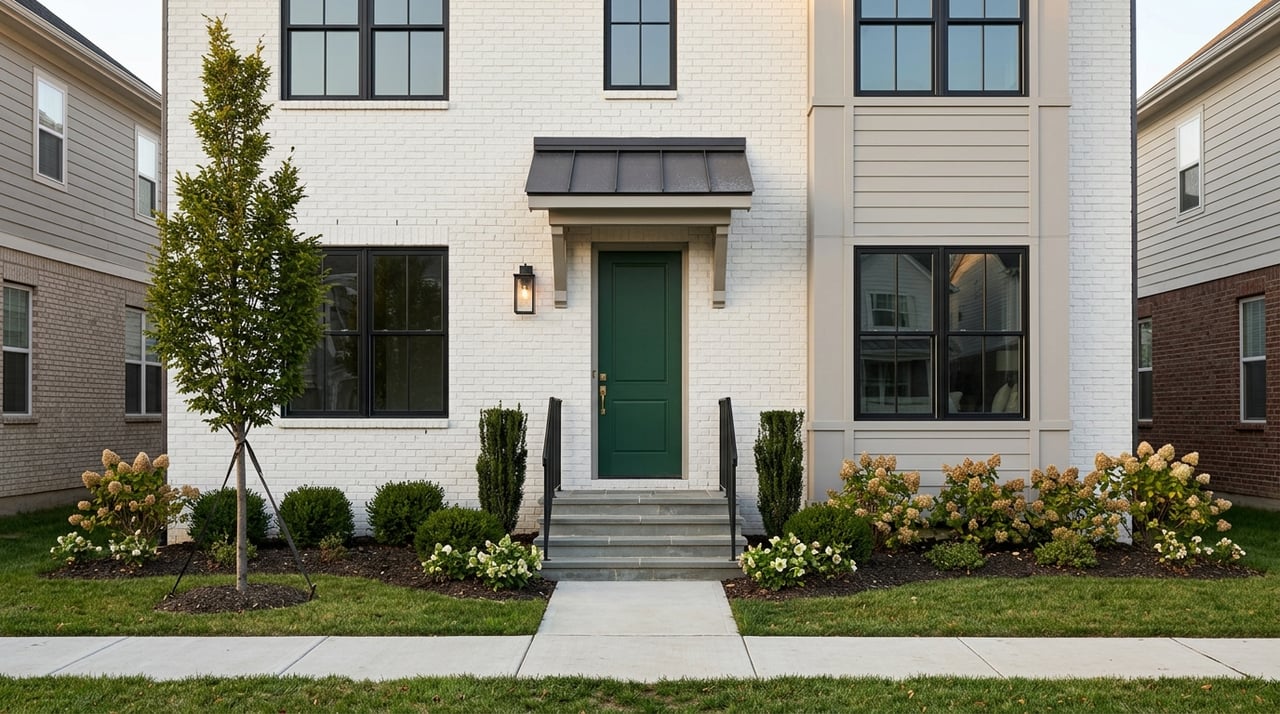
Trying to choose between a home with centuries of character and a home with newer finishes and built-in amenities? In Leesburg, that choice is especially meaningful because the two lifestyles can feel very different day to day. If you are weighing historic charm against new build style living, this guide will help you compare walkability, upkeep, amenities, and overall lifestyle so you can decide what fits you best. Let’s dive in.
Two Distinct Leesburg Lifestyles
Leesburg gives you two clear paths. One centers on the town’s historic core, where preserved architecture, compact streets, and downtown activity shape daily life. The other leans toward newer planned communities, where amenities, HOA structure, and more standardized maintenance often play a bigger role.
Neither option is universally better. The right fit depends on how you want to live, what type of upkeep you are comfortable with, and whether you value historic character or newer community features more.
Historic Leesburg Living
Old Town character and setting
Leesburg’s Old & Historic District is designed to preserve the town’s heritage and architectural identity. According to the Virginia Department of Historic Resources information shared by the Town, the district reflects a 1758 town plan and includes buildings from three centuries, from shops and compact town houses to taverns and Victorian-era structures.
That older urban fabric creates a distinct feel. You are more likely to find tree-lined streets, a tighter grid, and homes and buildings with details that are hard to replicate in newer construction.
Walkability and downtown access
If walkability is high on your list, historic downtown is often the strongest match. Downtown Leesburg is the town’s original center and includes restaurants, boutiques, art galleries, sidewalk cafés, breweries, museums, and public art in a compact area.
The town also supports walking tours focused on history and architecture, which speaks to how central the pedestrian experience is in this part of Leesburg. Loudoun County’s bike-ped planning also highlights features like brick sidewalks, narrow streets, convenient bicycle parking, and slower traffic speeds around the historic downtown area.
What preservation rules mean for homeowners
Historic charm usually comes with added responsibility. In the Old & Historic District, exterior changes require a Certificate of Appropriateness, and larger projects such as window replacements or new construction need approval from the Board of Architectural Review before permits are issued, according to the Town of Leesburg historic preservation guidelines.
For some buyers, that review process is a worthwhile tradeoff because it helps protect the area’s visual character. For others, it may feel restrictive, especially if you want more flexibility to update exterior features on your own timeline.
Newer Community Living in Leesburg
Amenities and shared features
Newer planned communities around Leesburg often appeal to buyers who want recreation and convenience close to home. For example, Greenway Farms includes a pool, tennis and basketball courts, sand volleyball, a playground, walking paths, and a woods trail.
Lansdowne on the Potomac is also described in the research as a large master-planned community with 2,155 homes and resort-style amenities such as indoor and outdoor pools, a fitness center, tennis and pickleball, play areas, trails, an amphitheater, and resident events. This kind of setup can make it easier to enjoy recreation without needing to leave your neighborhood.
More predictable maintenance framework
One reason some buyers prefer newer communities is the structure. In Greenway Farms, HOA fees help cover items like master insurance, snow removal in the townhouse section, landscaping maintenance, and reserves for recreation amenities, according to the community HOA information.
There are also maintenance inspections and approval rules related to paint colors, roofs, sheds, landscaping, and tree removal. That can create a more predictable appearance and upkeep pattern, which some homeowners appreciate.
Daily life in newer developments
Newer communities do not always mean isolated or car-only living. Loudoun County planning notes that some residential developments include sidewalks, street trees, and paved trails, so you may still have a connected feel depending on the area.
That said, the lifestyle often revolves more around community amenities and HOA-managed spaces than a traditional main street. Nearby destinations like The Village at Leesburg and Lansdowne Town Center reinforce that newer mixed-use pattern with shopping, dining, and entertainment in more modern settings.
Historic vs New Build Feel
Architecture and individuality
Historic homes and older town settings often offer more visual variety. Materials, floor plans, façades, and streetscapes can differ noticeably from one block to the next, which is part of the appeal if you love one-of-a-kind character.
Newer communities usually offer a more coordinated look. That can feel polished and orderly, but it may come with less architectural individuality than you would find in the historic core.
Flexibility and rules
If you want to make visible exterior changes, historic properties may require more review. Preservation standards are there to protect the district’s identity, but they can add time and process to renovation plans.
In newer planned communities, you may still face approval requirements through an HOA. The difference is that those rules usually focus more on maintenance consistency and community standards than on preserving historic fabric.
Lifestyle rhythm
Historic downtown living often suits buyers who want restaurants, cultural spots, and a walkable town center woven into everyday life. Newer community living often suits buyers who prefer neighborhood amenities, organized events, and a more structured residential environment.
This is really the heart of the decision. You are choosing not just a house style, but a daily rhythm.
Questions to Ask Yourself
Before you decide, it helps to get specific about what matters most to you. Ask yourself:
- Do you want to walk to restaurants, shops, and cultural attractions?
- Are you comfortable with preservation review for exterior work?
- Would you use amenities like a pool, fitness center, courts, or trails regularly?
- Do HOA guidelines feel helpful or limiting to you?
- Do you prefer architectural uniqueness or a more uniform community look?
- Is your ideal day centered on downtown activity or neighborhood amenities?
Your answers can quickly point you toward the better fit.
Which Option Fits You Best?
Based on the available information, historic-core living is often the better match if you value architecture, a dense street grid, and walkable access to restaurants and cultural amenities. It can be especially appealing if you appreciate the idea of living in a place where the built environment reflects Leesburg’s long history.
Newer planned-community living is often the better fit if you want pools, clubhouses, trails, resident events, and a more predictable maintenance framework. If convenience, recreation, and a structured neighborhood setup matter more than historic individuality, this option may feel more aligned with your goals.
In a market like Leesburg, the best choice is personal. If you want help comparing neighborhoods, townhome communities, or homes that match your lifestyle priorities, the team at HOMEGROWN The McDonald Etro Group can help you sort through the options with a local, practical lens.
FAQs
What is the Old & Historic District in Leesburg?
- The Old & Historic District is a preservation-focused area of Leesburg where exterior changes require review, and it reflects the town’s historic layout and architecture across multiple centuries.
Is historic downtown Leesburg more walkable than newer communities?
- In general, yes. Research cited by the Town and downtown organizations points to a compact street grid, brick sidewalks, slower traffic speeds, and close access to downtown businesses and cultural attractions.
Do newer Leesburg communities usually have HOA amenities?
- Many do. Examples in the research include pools, courts, trails, playgrounds, fitness spaces, and community events, along with HOA-managed maintenance frameworks.
Are homeowners in historic Leesburg limited in making exterior changes?
- Yes, exterior changes in the Old & Historic District are subject to preservation review, and some larger projects need approval before permits are issued.
Is new build style living in Leesburg always less walkable?
- No. Some newer developments include sidewalks, street trees, and paved trails, though the lifestyle often centers more on neighborhood amenities than on a historic main-street environment.