Wondering what actually helps your Fairfax Station home sell for a stronger price? In a market where buyer demand is still present but inventory is rising, great homes do not just sell themselves. If you want to stand out, attract serious buyers, and support a premium sale, your preparation matters from day one. Let’s dive in.
Why prep matters in Fairfax Station
Fairfax County remains a competitive market, but it is not a market where sellers can afford to be casual. Fairfax County reported 691 homes sold in February 2026, with homes averaging 28 days on market and active listings at about 1.5 months of supply. NVAR also reported very low inventory in spring 2026, with 1.83 months of supply in April, which is still well below a balanced market.
That said, the market is also shifting in ways that matter for premium pricing. NVAR expects inventory in Fairfax County to rise 35.8% from 2025 to 2026, while mortgage rates are projected to hover around 6% for much of the year. For you, that means demand is still there, but presentation, timing, and launch quality carry more weight than they did when nearly anything would move quickly.
Start with records and paperwork
Before you paint a wall or trim a shrub, gather your home records. This is especially important in Fairfax Station, where buyers may ask detailed questions about larger lots, prior improvements, decks, additions, finished basements, septic systems, or private wells.
A smart first pass includes:
- Building permits and final inspection records
- Contractor invoices and receipts
- Surveys or plat documents, if available
- Septic pumping and inspection records, if applicable
- Private well testing records, if applicable
Virginia's Residential Property Disclosure Statement is largely a due-diligence notice rather than a warranty of condition. Sellers generally make no representation about things like lot lines, the ability to add structures, or several property conditions, and buyers are directed to conduct their own inspections and records review. Still, organized documentation helps your home feel more transparent, more credible, and easier to evaluate.
If you have completed work without closing out permits or final inspections, address that as early as possible. Fairfax County requires permits for many common projects, including additions, decks, garages, porches, finished basements, and many electrical and plumbing updates. Clearing up open questions before listing can help you avoid delays later.
Fix visible issues before styling
Premium presentation starts with condition, not decor. Buyers notice the small things quickly, and minor deferred maintenance can make them wonder what else has been overlooked.
Walk through your home with fresh eyes and focus on issues that affect first impressions, including:
- Scuffed paint or marked-up walls
- Loose hardware or squeaky doors
- Burned-out light bulbs
- Stained grout or worn caulk
- Damaged trim or flooring
- Leaky faucets or running toilets
You do not need a full remodel to make a strong impact. In many cases, a clean, well-maintained home with a consistent look feels more valuable than a home with a few flashy updates and a long list of unfinished details.
Focus on the prep that moves buyers
The best data on home prep points to the basics first. In the National Association of Realtors 2025 Profile of Home Staging, 91% of sellers' agents said decluttering was a top recommendation, 88% recommended cleaning the entire home, and 77% recommended improving curb appeal.
That should be encouraging if you are weighing where to spend time and money. The tasks most often recommended are not massive renovations. They are the practical improvements that make your home feel spacious, cared for, and easy to picture as someone's next home.
Declutter to show scale
Decluttering is one of the highest-value steps you can take because it changes how buyers read each room. Less visual noise helps buyers notice natural light, room size, storage, and layout.
Pack away anything overly personal, bulky, or distracting. Clear counters, simplify shelves, reduce furniture where needed, and organize closets so they appear functional rather than overstuffed. If a room feels crowded, buyers may assume it is smaller than it really is.
Deep clean every surface
A premium sale requires a genuinely clean home, not just a tidy one. Buyers will notice dust on trim, hard-water stains, fingerprints on glass, and cooking residue in kitchens.
Pay extra attention to kitchens, baths, floors, windows, lighting, and baseboards. Clean homes photograph better, show better, and signal ongoing care.
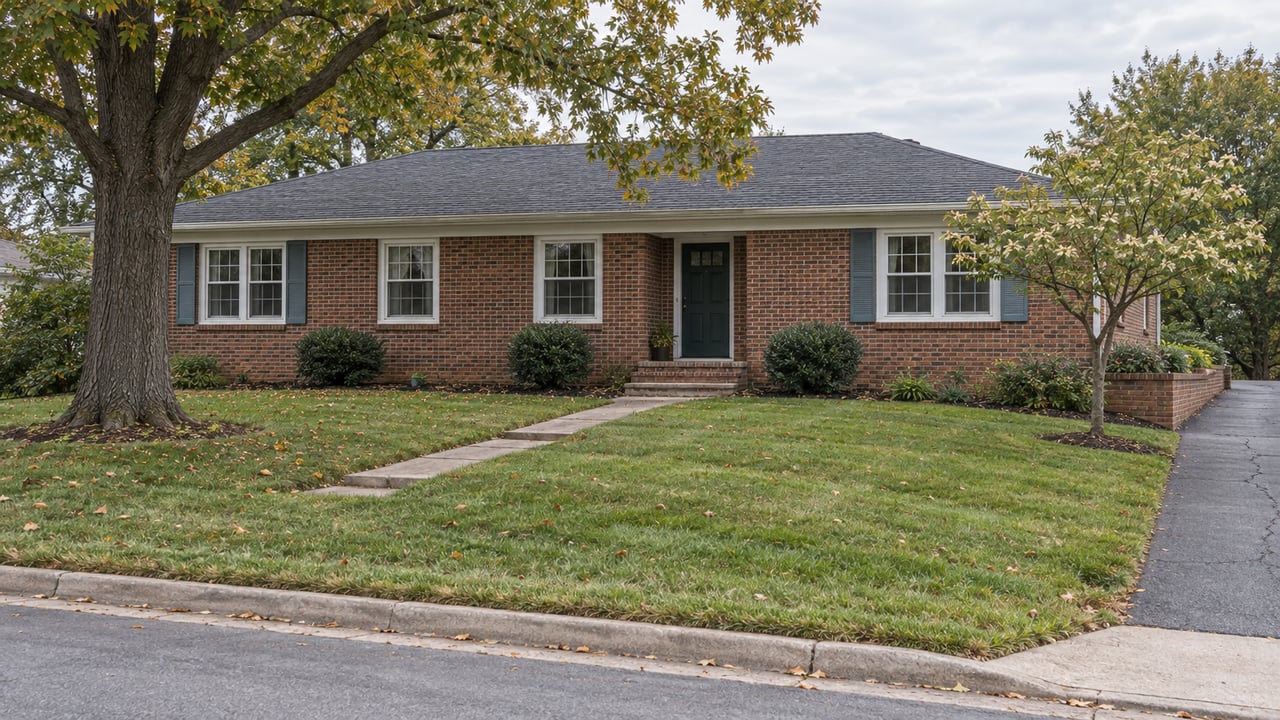
Boost curb appeal early
Spring is a key selling window in Northern Virginia, and NVAR notes that April is part of the traditionally competitive spring market. If your launch is targeting that season, finish landscaping and exterior cleanup before the market heats up, not while your listing is already live.
For Fairfax Station homes, curb appeal often includes more than a front door and flower bed. Larger lots, mature trees, wooded settings, and outdoor entertaining areas can all support the value story when they are well maintained and clearly presented.
Stage the rooms that matter most
Not every room needs equal attention. According to NAR's staging data, the most commonly staged rooms are the living room, primary bedroom, dining room, and kitchen. Those spaces shape how buyers experience daily life in the home, so they deserve the most effort.
If you are deciding where to invest, start there. A polished living room suggests comfort and scale. A calm primary bedroom signals retreat. A clean, functional kitchen supports everyday living, and a dining area helps buyers picture gatherings and flow.
What staging can do
Staging is not about making your home look trendy. It is about helping buyers understand the space quickly and positively.
NAR reported that 83% of buyers' agents said staging made it easier for buyers to visualize a home as their future home. The same research found that 49% of sellers' agents said staging reduced time on market, and 29% of agents said staging increased the dollar value offered by 1% to 10%.
Do you need to stage every room?
Usually, no. For many homes, selective staging creates the best return.
Concentrate on the rooms buyers care about most, then make the rest of the house feel clean, open, and easy to understand. A guest room can be simple. A lower-level flex space should have a clear purpose. An office should look functional, not cluttered.
Treat photos as part of the product
Today, your listing does not start at the front door. It starts online. NAR reported that 81% of buyers ranked listing photos as the most useful feature in their online search.
That means photography is not a final detail. It is one of the most important parts of your sale strategy. Buyers often decide whether to visit based on the quality of the photos and how well those images tell the story of the home.
Prepare for photography day
The goal is not perfection. The goal is consistency, light, and flow.
Before photos are taken:
- Remove extra items from counters and tabletops
- Open window coverings where appropriate for light
- Turn on lamps and replace mismatched bulbs
- Hide cords, trash cans, and pet items
- Make beds crisply and simplify bedding
- Clear vehicles from driveways when possible
NAR also notes that strong photo sequencing can keep viewers engaged longer and increase saves and follow-up inquiries. In other words, your home should not only look good in individual shots. It should make sense as a complete visual experience.
Make outdoor space part of the story
In Fairfax Station, exterior space can be a major value driver. If your property offers privacy, a large lot, a deck, patio, lawn area, wooded views, or room for entertaining, those features should be prepared and presented with the same care as the interior.
Mow and edge the lawn, trim overgrowth, refresh mulch if needed, and clean outdoor surfaces. If you have a deck or patio, stage it lightly so buyers can understand how it functions. A few well-placed pieces can help the area read as usable living space rather than empty square footage.
Plan ahead for septic and well questions
Some Fairfax Station properties have septic systems, private wells, or both. If that applies to your home, do not wait until you are under contract to start gathering information.
Fairfax County says septic tanks for onsite sewage systems that do not require a VPDES permit must be pumped at least once every five years, and alternative onsite systems have annual inspection requirements. The county also advises private well owners to test water annually.
Virginia Department of Health guidance notes that a well inspection is not required for property transfer, but lenders may require testing. It also recommends scheduling septic inspections several weeks before closing because major deficiencies can take time to repair. For sellers, that is a strong reason to review maintenance records and assess any potential issues early.
Use a smart prep sequence
When sellers feel overwhelmed, the problem is often not the amount of work. It is the order of operations. The cleanest path to a premium launch is usually to move in a clear sequence.
A practical Fairfax Station prep plan
- Gather records and property documents
- Identify and repair visible issues
- Declutter and deep clean
- Improve curb appeal and outdoor presentation
- Stage key rooms
- Schedule photography only when the home is fully show-ready
- Launch once everything is complete
This order protects your momentum. It also helps ensure that your home hits the market in its best possible condition instead of improving week by week while buyers are already watching.
Should you refresh kitchens or baths?
This depends on the condition of your home and the level of finish buyers will expect at your price point. But based on the available staging data, sellers often get stronger returns from clean presentation, decluttering, curb appeal, and selective staging than from rushing into major remodels right before listing.
If your kitchen or bath is functional but dated, a refresh may be enough. Think clean surfaces, repaired hardware, fresh paint, better lighting, and simplified styling. If a space has an obvious defect or heavy wear, address that first.
Premium sale prep is really about confidence
Buyers pay more comfortably when a home feels well cared for, easy to understand, and beautifully presented. They respond to clean rooms, strong photos, organized records, and a home that feels ready from the start.
In Fairfax Station, where many properties offer space, privacy, and larger lots, the details matter even more. The homes that command attention are usually the ones that pair strong fundamentals with thoughtful marketing and a fully prepared launch.
If you want a plan that fits your home, timeline, and target price, HOMEGROWN The McDonald Etro Group can help you prepare, stage, and market your Fairfax Station home with the kind of hands-on care and polished presentation that supports a premium result.
FAQs
What home prep matters most for a Fairfax Station sale?
- The highest-priority tasks are usually decluttering, deep cleaning, curb appeal, and selective staging in the living room, primary bedroom, dining room, and kitchen.
How should sellers handle permits before listing a Fairfax Station home?
- Gather permit records early and, if possible, resolve any open permits or missing final inspections for prior work such as decks, additions, finished basements, or major electrical and plumbing projects.
Do Fairfax Station sellers need to stage every room?
- No. Selective staging is often enough, with the strongest focus on the main living spaces and any room that needs help showing its size or purpose.
What should sellers with septic or well systems do before selling in Fairfax Station?
- Collect maintenance records, confirm recent septic pumping or required inspections if applicable, and review well testing history early so you are not scrambling late in the transaction.
When should you prepare outdoor space for a Fairfax Station listing?
- Ideally before your spring launch window, since landscaping, cleanup, and exterior presentation are most effective when completed before photography and before your home goes live.