Torn between a brand-new home and a classic Vienna resale? You’re not alone. If you want more space, a yard that fits your life, and a smooth commute, choosing the right path can feel overwhelming. In this guide, you’ll get a clear framework that aligns your budget, timing, and lifestyle priorities with Vienna’s on-the-ground realities. Let’s dive in.
Vienna context: lots, schools, inventory
Vienna blends established single-family neighborhoods with steady infill new construction. You’ll see teardowns replaced by larger new homes on the same lots, especially in areas like Vienna Woods and Ayr Hill. Many lots run roughly a quarter to a half acre, though lot sizes vary by street and corner lots can be larger.
One key local nuance is governance. Parts of Vienna are inside the incorporated Town of Vienna, while others sit in Fairfax County. Zoning, setbacks, lot coverage, and permitting can differ by jurisdiction. School boundaries within Fairfax County Public Schools also matter to many move-up buyers, so confirm the exact address for any home you consider.
Inventory for single-family homes in popular Vienna neighborhoods can be tight. Well-maintained resales and renovated classics often compete directly with new infill builds, which means you should be ready to act when a good fit pops up.
Cost and timing: what to expect
Your timeline is often the biggest driver. If you need to move soon, a completed resale usually wins. Building new or planning a teardown adds months.
- New construction timing: About 8 to 12 months for a spec or production builder after permits, and 12 to 18+ months for a custom build. Permitting, site work, stormwater plans, and tree approvals can add weeks to months before construction begins.
- Renovation timing: A whole-house remodel or addition can take 4 to 9 months, while cosmetic updates often finish in a few weeks to several months.
Cost is more than list price. A new build often has a higher base cost per square foot but lowers near-term maintenance thanks to new systems and materials. Resale can start lower, but you should budget for updates like roof, HVAC, or windows. New builds may incur extra site costs, including grading, stormwater controls, and utility connections. Renovations carry risk for surprises behind walls or code upgrades.
Appraisals can be a pressure point for very large or high-end new homes compared to neighborhood comps. If you build well above the street’s norm, plan for potential appraisal gaps.
Zoning, lots, and teardown rules
Vienna’s rules can shift from block to block. Before you fall in love with a lot or a plan, do a quick due diligence circuit.
- Confirm jurisdiction: Town of Vienna or Fairfax County. Rules differ for setbacks, height, and lot coverage.
- Check zoning and overlays: Minimum lot area, lot coverage limits, building height, and any historic or conservation overlays can affect your design.
- Assess site constraints: Stormwater management, tree preservation, driveway and curb rules, and utility hookups add time and cost.
- Review neighborhood activity: Pull recent teardown and new-home permits in the immediate area to gauge what’s allowed and typical.
These steps help you avoid surprises like a design that exceeds lot coverage limits or unexpected costs tied to site work.
Lifestyle trade-offs and energy
New and resale homes deliver different daily experiences. Deciding between them comes down to how you plan to live.
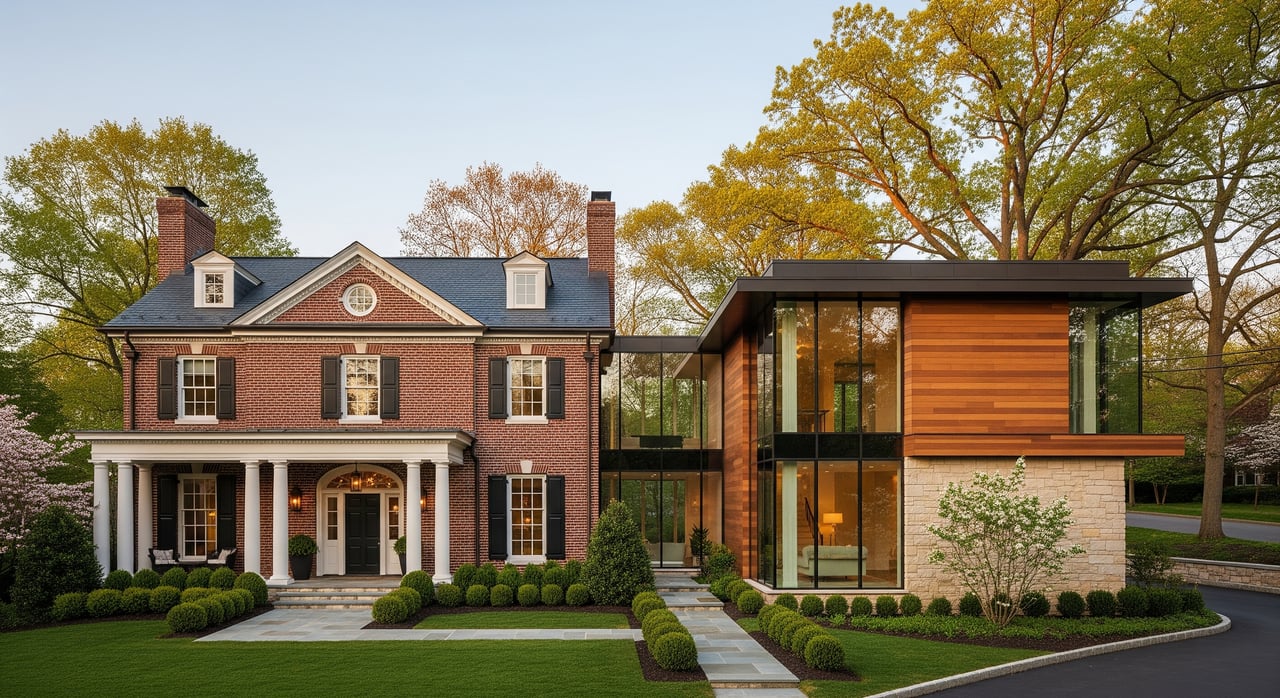
- New builds: Open layouts, larger kitchens, en suite bedrooms, modern HVAC and insulation, and smart-home wiring are common. You usually get lower near-term maintenance and better energy efficiency. Trade-offs can include less architectural variety and sometimes less yard if the new home maximizes interior square footage.
- Resales and renovated classics: Mature trees, established landscaping, and a neighborhood feel are big draws. Many classics offer architectural character and larger yards. You may trade off for smaller closets or older mechanical systems unless a recent renovation addressed them.
Financing options compared
Match your financing to your timeline and scope.
- Resale purchase: Conventional, FHA, and VA loans are common, with down payments ranging from low down to 20% or more depending on the loan.
- Renovation loans: FHA 203(k) and Fannie Mae HomeStyle can finance a purchase plus rehab in one package. Expect additional documentation and a specialized appraisal process.
- New construction: A construction loan or construction-to-permanent loan is typical for teardown and custom scenarios. These often require higher down payments and draw schedules with inspections.
- Builder financing: Some production builders offer preferred lenders or incentives. Compare rates and terms carefully.
VA buyers can explore new construction options, but the rules differ from standard resales. Engage a lender experienced in Northern Virginia construction financing early.
Inspections, warranties, and risk management
Whether you buy new or resale, a good inspection plan protects your budget.
New construction safeguards:
- Municipal inspections occur at multiple stages, but hire an independent inspector for key milestones like pre-drywall and final walkthrough.
- Expect a punch list at completion. Review every room and system with the builder.
- Ask for the builder’s written warranty. Many offer one year for general workmanship and longer structural coverage, but terms vary.
Resale safeguards:
- Schedule a general home inspection and add specialty inspections as needed, such as termite, chimney, roof, HVAC, radon, or septic.
- Use findings to negotiate repairs or credits. Consider a one-year home warranty for appliances and systems, keeping in mind caps and exclusions.
Risk snapshot:
- New builds typically reduce early repair costs. The main risks are construction quality, delays, and warranty enforcement.
- Resales can bring unknowns tied to system age, past renovations, or deferred maintenance. Inspections are your best defense.
Decision framework: key questions
Use these questions to align your priorities with your options.
- Budget: What is your total all-in budget, including purchase, soft costs, site work, and a reserve for surprises?
- Timing: Do you need to move within a few months, or can you wait 8 to 18+ months for a build or major renovation?
- Schools and commute: Is a specific school boundary or commute time non-negotiable?
- Lot and character: Do you want a larger, mature yard or a neighborhood look that fits established streetscapes?
- Maintenance tolerance: Do you prefer lower near-term maintenance, or are you comfortable with phased renovations and occasional repairs?
- Customization: Do you need a fully tailored layout, or will a high-quality spec home or renovated resale meet your needs?
- Financing comfort: Are you prepared for construction loan requirements and potential appraisal gaps on a larger new home?
Property checklist for Vienna buyers
Keep this list handy when evaluating a specific home or lot.
- Confirm parcel jurisdiction and zoning, including setbacks, lot coverage, and height limits.
- Check for overlays, tree protections, and stormwater requirements.
- Pull recent permit history for the address and nearby new builds.
- For resales: request seller disclosures, schedule general and specialty inspections as needed.
- For new builds: review the builder’s portfolio and references, obtain warranty terms in writing, and request municipal inspection sign-offs.
- For teardowns: get qualified estimates for demolition, grading, stormwater controls, utility tie-ins, and projected permit timelines and fees.
- Talk with a local lender about construction-to-perm or renovation loans, down payment expectations, and appraisal strategies.
- Compare projected monthly costs for both paths, including mortgage, taxes, utilities, and maintenance.
Example paths to a good decision
- Fast move and low risk: Choose a move-in-ready resale or a recently renovated home.
- Full customization and longer runway: Pursue a custom infill or teardown with a construction-to-perm loan.
- New systems with faster occupancy: Target a newly completed spec home or a resale finished within the past few years.
- Priority on mature trees and neighborhood fit: Renovate and expand a classic home rather than tearing down, if the lot and zoning allow your goals.
Work with local experts
Vienna’s blend of Town and County rules, infill patterns, and school boundary priorities rewards local knowledge. A trusted advisor helps you right-size your budget, timeline, and loan strategy while navigating permits, inspections, and staging when it is time to sell and buy.
If you’re weighing new construction against a resale, let us help you pressure-test your plan and line up the right team. Reach out to HOMEGROWN The McDonald Etro Group for a local strategy session tailored to your move.
FAQs
How long does a teardown plus new build take in Vienna?
- Expect roughly 8 to 18 months from permit issuance to completion, plus time for permitting, site prep, and stormwater reviews.
Can I use a conventional mortgage for a teardown and new build?
- You typically need a construction loan or a construction-to-permanent loan unless you are buying an already completed spec home.
Will a brand-new Vienna home appraise for what it cost to build?
- Not always. Appraisals rely on neighborhood comps, so an oversized or ultra-high-end build may face an appraisal gap.
Do new homes come with warranties in Vienna?
- Most builders provide written warranties, often one year for workmanship and longer for structural components. Always review terms in writing.
Are teardowns allowed everywhere in Vienna?
- No. Zoning, overlays, and neighborhood controls can limit demolition or new massing. Confirm rules with the governing jurisdiction.
Which option usually has fewer near-term repairs?
- New construction generally has fewer early repairs thanks to new systems and materials. A well-renovated resale can be comparable if updates are recent and comprehensive.