If your idea of luxury is less about density and more about breathing room, Great Falls deserves a close look. This is a part of Northern Virginia where privacy, acreage, and a quieter daily rhythm shape the value of a home in a very real way. If you are weighing Great Falls against other high-end options nearby, understanding what you are really buying here can help you make a smarter move. Let’s dive in.
What Luxury Means in Great Falls
In Great Falls, luxury is often defined by land, space, and setting. Fairfax County’s planning framework describes the area with parkland, undeveloped land, estates, farms, and large-lot subdivisions, with a clear emphasis on preserving rural character and very low residential density.
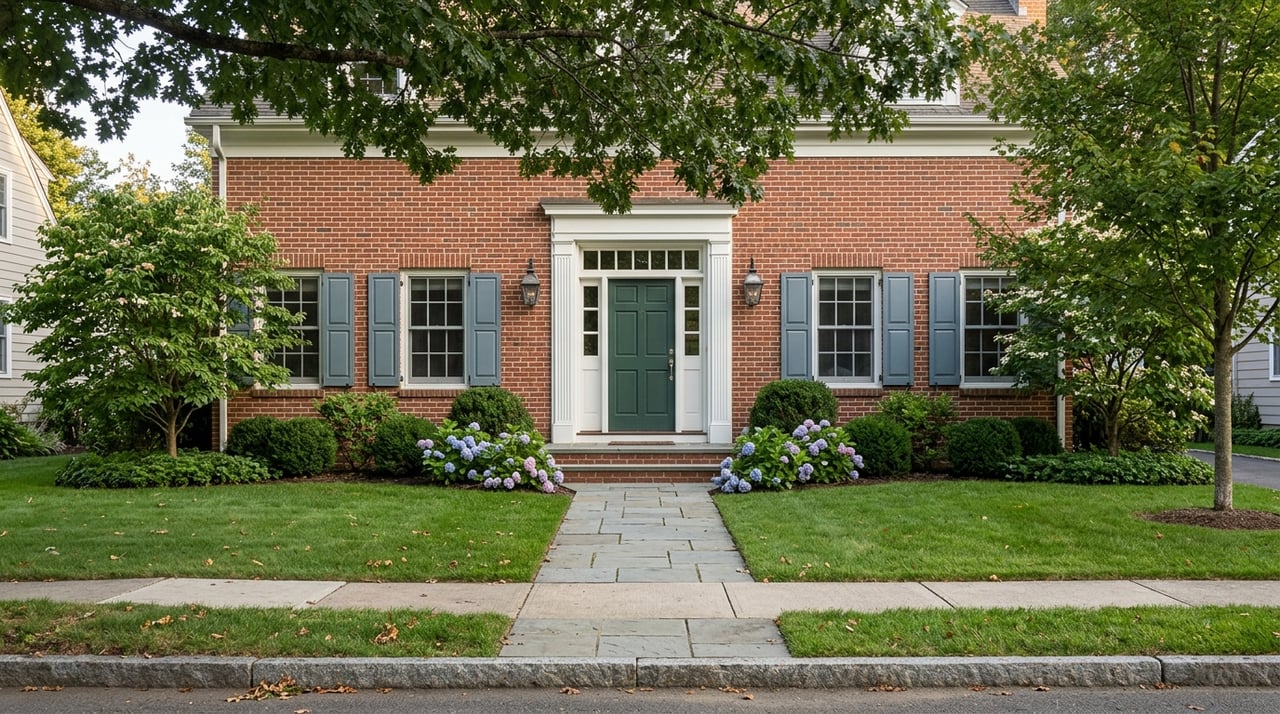
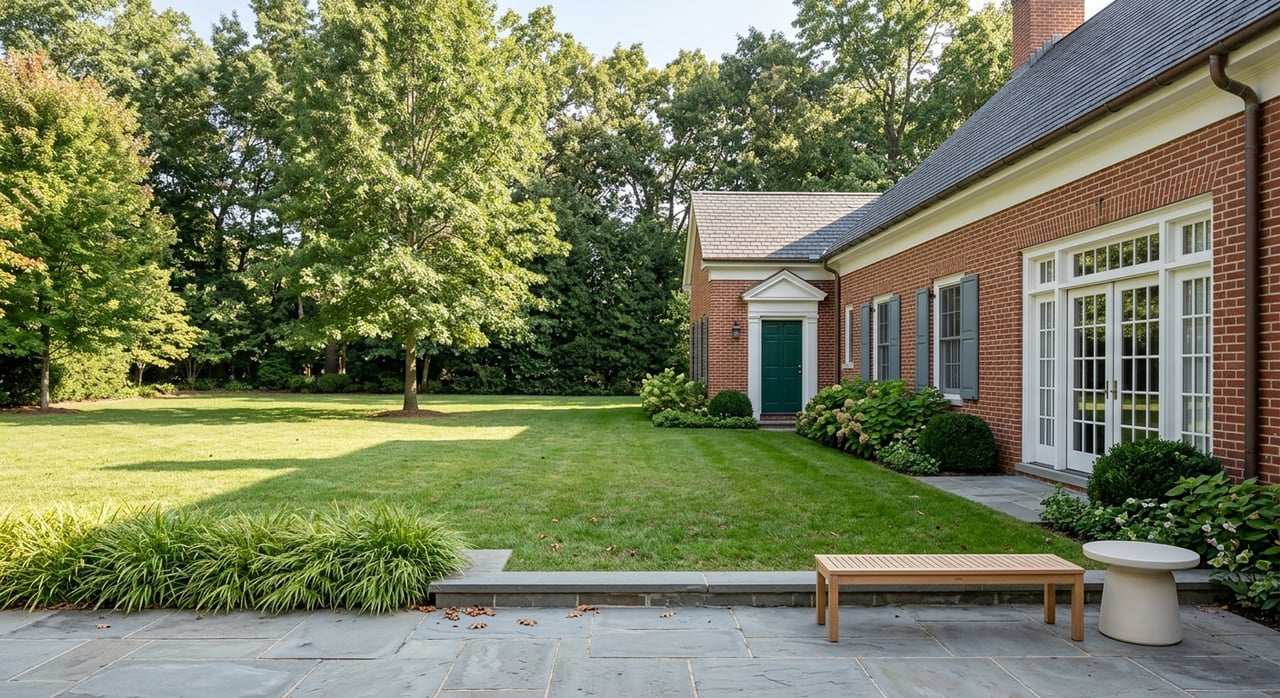
That matters because the lot is not just where the house sits. In Great Falls, the lot is part of the luxury product itself. Wide setbacks, mature trees, outdoor living space, and a sense of separation from neighboring homes all shape the appeal in a way that feels very different from more built-up luxury markets.
The numbers support that identity. Great Falls has 15,953 residents spread across 25.36 square miles, with a population density of 629.1 people per square mile. It also has a 95.0% owner-occupied rate and a median owner-occupied home value of $1,411,000, which reflects a high-cost, primarily owner-occupied market.
A Low-Density Setting by Design
Great Falls is not low-density by accident. Fairfax County’s Upper Potomac planning guidance calls for preserving the area’s rural character, and future development around Great Falls is expected to remain focused on 2- to 5-acre single-family lots.
That long-term planning helps protect the character buyers are paying for. It also helps explain why Great Falls often feels more like a residential landscape tucked into nature than a typical suburb with constant turnover and rapid infill.
Historic Character Adds to the Feel
Great Falls also carries a strong conservation and historic identity. Georgetown Pike is identified as a historic byway, which helps preserve the road corridor and contributes to the area’s understated, established feel.
Fairfax County also notes significant heritage resources in the broader area, including the Patowmack Canal Lock ruins and Matildaville ruins. For buyers, that adds another layer to the appeal: the setting feels protected, stable, and distinct.
Why Great Falls Feels Different
If you compare Great Falls with other luxury communities in Northern Virginia, the biggest difference is not just price. It is the way daily life feels when more land and lower density are built into the area’s identity.
In many high-end markets, luxury can mean proximity, convenience, and a polished suburban center. In Great Falls, luxury tends to mean a retreat-like environment where your home extends beyond the walls of the house and into the surrounding landscape.
Privacy Is a Core Feature
Privacy is one of the clearest lifestyle benefits in Great Falls. Large lots, detached homes, and mature natural surroundings create a level of separation that many buyers simply cannot find in denser communities.
That does not mean every home is the same or every property offers the same experience. But it does mean buyers often place real value on lot utility, usable outdoor space, tree cover, and the overall feeling of calm.
Owner-Occupied Stability Matters
Great Falls is also a highly owner-occupied community, with 95.0% of homes occupied by owners. That helps reinforce the sense of stability and long-term investment that many buyers want when they are making a move at this price point.
The area’s broader profile adds to that picture. Census data show median household income above $250,000 and poverty at 2.2%, pointing to an affluent and established community rather than a high-turnover market.
Parks and Open Space Shape the Lifestyle
One of the biggest reasons Great Falls stands out is how closely luxury living is tied to nature and recreation. You are not just buying a home here. You are also buying access to an outdoor setting that feels unusually expansive for the Washington metro area.
This is where Great Falls becomes more than a collection of large homes. The nearby parks, trails, and open land are a meaningful part of everyday life for many residents.
Great Falls Park Brings the Potomac to Your Backyard
Great Falls Park is an 800-acre National Park Service site located about 15 miles from Washington, DC. It includes more than 15 miles of hiking trails and three overlooks, making it one of the area’s most recognizable natural assets.
For buyers, that kind of access supports the retreat feel that defines the community. It is one thing to have a large yard. It is another to have a nationally recognized park nearby that reinforces the sense of space and scenery around you.
Riverbend Park Expands the Outdoor Options
Riverbend Park adds more than 400 acres and over 10 miles of trails. It also includes horse and mountain bike trails and connects to larger regional and National Park Service trail systems.
Fairfax County describes Riverbend as offering a rare mix of geology, plant life, wildlife, isolation, and beauty. That helps explain why Great Falls can feel removed from the pace of the region even while remaining inside it.
Turner Farm Supports the Open-Space Feel
Turner Farm Park is another local asset that fits Great Falls well. Fairfax County describes it as a 52-acre community park with almost 40 acres of open fields and free riding access.
That equestrian and open-space identity is part of the broader appeal. It gives Great Falls a landscape-driven lifestyle that is hard to replicate in more compact suburban settings.
The Tradeoffs Buyers Should Expect
Great Falls offers a very specific version of luxury, and it comes with real tradeoffs. For many buyers, those tradeoffs are well worth it, but they are still important to understand before you decide this is the right fit.
The biggest ones are usually commute, convenience, and carrying costs. In other words, you are often exchanging proximity and simplicity for land, privacy, and a calmer setting.
Commute Time Is the Main Practical Cost
Great Falls has a mean travel time to work of 33.5 minutes. That is longer than Fairfax County overall at 28.9 minutes, longer than McLean at 28.1 minutes, and longer than Vienna at 26.3 minutes.
For some buyers, that difference is minor. For others, it is the most important practical factor in the decision. If your top priority is space and quiet, the extra drive may feel like a fair trade. If daily convenience is your top priority, it may not.
Carrying Costs Are Meaningful
Luxury living in Great Falls also comes with higher ongoing ownership costs. Fairfax County’s 2026 base real estate tax rate is $1.12 per $100 of assessed value.
Applied to Great Falls’ median owner-occupied home value of $1,411,000, that works out to roughly $15,803 per year in county real estate tax before any special district charges, exemptions, or assessment changes. By comparison, applying that same rate to Fairfax County’s overall median owner-occupied home value comes to about $8,207.
Maintenance Comes With More Land
Because Great Falls is built around large lots and detached homes, buyers should also expect more exterior and yard upkeep than they would with a condo or townhouse. More land can be a major benefit, but it also brings more responsibility.
That upkeep is not a downside so much as part of the ownership model. If you want usable outdoor space, privacy buffers, and a more estate-like setting, maintenance is part of the package.
Great Falls vs McLean and Vienna
If you are deciding between Great Falls and other high-end Northern Virginia markets, it helps to compare not just home values but also density and commute patterns. The better choice often depends on how you define luxury in your everyday life.
Here is the clearest way to think about it: Great Falls is often the choice for buyers who want land and separation. McLean and Vienna may appeal more if you want easier access, more convenience, or a denser suburban setting.
| Area | Median Owner-Occupied Home Value | Population Density | Mean Commute |
|---|---|---|---|
| Great Falls | $1,411,000 | 629.1 per sq. mi. | 33.5 minutes |
| McLean | $1,412,700 | 2,047.5 per sq. mi. | 28.1 minutes |
| Vienna | $1,008,800 | 3,741.3 per sq. mi. | 26.3 minutes |
| Fairfax County | $732,800 | Not cited in report | 28.9 minutes |
Great Falls vs McLean
Great Falls and McLean are very similar on median owner-occupied home value. The major difference is character.
Great Falls is far less dense, at 629.1 people per square mile compared with McLean’s 2,047.5. So while both may fit a luxury budget, Great Falls leans more toward privacy and land, while McLean often offers more proximity and suburban convenience.
Great Falls vs Vienna
Vienna is a lower-cost luxury alternative by comparison, with a median owner-occupied home value of $1,008,800. It also has a shorter mean commute and a much higher density than Great Falls.
That makes Vienna a very different experience. If your goal is a premium home with easier day-to-day access, Vienna may be appealing. If your goal is a retreat-like setting with more land, Great Falls stands apart.
Who Great Falls Fits Best
Great Falls tends to be the strongest match for buyers who are intentionally choosing space over convenience. If you want a property that feels more private, more established, and more connected to open land, this market has a clear identity.
It may be especially compelling if you are moving up from a smaller lot, relocating from a denser area, or looking for a long-term home where outdoor space plays a major role in how you live. The value here is not just inside the home. It is in the full setting around it.
That is also why buying in Great Falls benefits from local guidance. When lot utility, privacy, setting, and condition matter as much as square footage, it helps to work with a team that understands how buyers evaluate this market and how to compare one property thoughtfully against another.
If you are considering a move in Great Falls or weighing it against nearby luxury options, HOMEGROWN The McDonald Etro Group can help you navigate the details with local perspective, thoughtful strategy, and a high-touch approach tailored to Northern Virginia.
FAQs
What defines luxury living in Great Falls, VA?
- In Great Falls, luxury usually means detached homes, larger lots, privacy, mature trees, usable outdoor space, and close access to parks and open land rather than condo-style amenities or a dense, walkable setting.
How expensive are homes in Great Falls, VA?
- Census data show a median owner-occupied home value of $1,411,000 in Great Falls, reflecting its position as one of Northern Virginia’s higher-cost residential markets.
Is Great Falls, VA less dense than McLean or Vienna?
- Yes. Great Falls has a population density of 629.1 people per square mile, compared with 2,047.5 in McLean and 3,741.3 in Vienna.
What are the main tradeoffs of living in Great Falls, VA?
- The main tradeoffs are typically longer commute times, higher carrying costs, and more yard and exterior maintenance in exchange for more land, privacy, and a quieter setting.
What parks and trails are near Great Falls, VA?
- Great Falls Park offers 800 acres, more than 15 miles of hiking trails, and three overlooks, while Riverbend Park adds more than 400 acres and over 10 miles of trails. Turner Farm Park also contributes open fields and riding access.
How do property taxes compare for Great Falls homes?
- Using Fairfax County’s 2026 base real estate tax rate of $1.12 per $100 of assessed value, the tax on Great Falls’ median owner-occupied home value would be about $15,803 annually before any exemptions, special district charges, or assessment changes.